✨ Khajuraho Temples: A Living Heritage of India
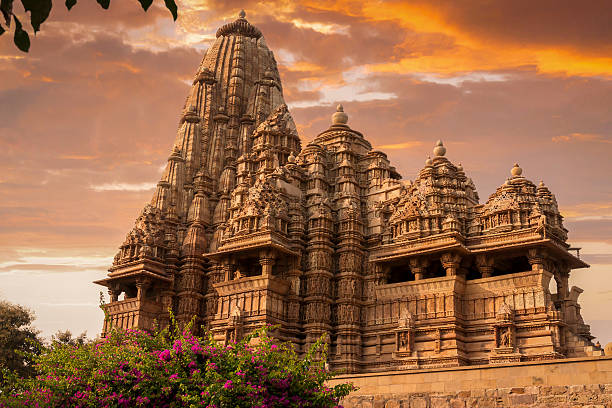
As a tourism management student, visiting and learning about India’s heritage sites feels like opening a window to the past. One such place that truly stands out is the Khajuraho Temples in Madhya Pradesh. These temples are not just stone structures; they are stories carved in rock that continue to amaze visitors from all over the world.
📍 Where is Khajuraho?
Khajuraho is a small town in the Chhatarpur district of Madhya Pradesh, India. Though it is a small place, it is internationally famous for its group of ancient temples that are recognized by UNESCO as a World Heritage Site.
🏛️ When and Who Built It?
-
The temples of Khajuraho were built between 950 and 1050 AD by the rulers of the Chandela dynasty.
-
Originally, there were about 85 temples, but today only around 22 temples remain standing.
-
Even after a thousand years, these temples are well-preserved and admired for their architecture and art.
🎨 Why Are These Temples Important?
-
Architectural Beauty – The temples are made of sandstone and have intricate carvings on their walls.
-
Sculptures – The carvings show gods, goddesses, animals, dancers, and everyday life in ancient times. Some are also famous for their erotic art, which represents openness in Indian culture during that era.
-
Cultural Heritage – Khajuraho reflects a time when art, religion, and life were celebrated together.
-
Spirituality – These temples are mainly dedicated to Hindu gods like Shiva, Vishnu, and Devi, and some to Jain Tirthankaras.

🚗 How to Reach Khajuraho
Khajuraho is well-connected, so travelers can visit easily:
-
By Air – Khajuraho has its own airport with flights from Delhi, Varanasi, and other cities.
-
By Train – Khajuraho railway station connects to Jhansi, Delhi, Bhopal, and other major places.
-
By Road – Buses and taxis are available from nearby cities like Jhansi (175 km) and Satna (120 km).
🌍 Best Time to Visit
-
The best season to visit is October to March when the weather is pleasant.
-
Every year in February, the Khajuraho Dance Festival is held, where classical dancers from across India perform in front of the temples.
🧭 My Experience as a Tourism Student
Learning about Khajuraho shows how tourism is not just about visiting places but about connecting with history, culture, and community. The temples teach us how art and religion were deeply linked to people’s lives in ancient India.
For a tourism student like me, Khajuraho is a living classroom that explains:
-
How heritage attracts international tourists.
-
How cultural events like dance festivals add value to tourism.
-
Why preserving monuments is important for future generations.
🌟 Conclusion
The Khajuraho Temples are more than stone carvings; they are a symbol of India’s rich cultural past. Visiting here is like stepping into a history book, but with the beauty of art, architecture, and spirituality all around you.
If you ever plan a heritage trip, Khajuraho must be on your list—it’s a place that tells the world who we are and what we value.

✨ Tip for Tourists: Always take a local guide when visiting heritage sites like Khajuraho. They make the stories behind the carvings and temples come alive.


No comments:
Post a Comment